
← Back to Blog
Neighborhoods
North Lamar Area vs. Sisk Avenue Corridor in Oxford, Mississippi: What Is the Difference?
By Carla French Kisner, REALTOR
Oxford Real Estate Collective · S# 56953
September 24, 2026 · 11 min read
If you are trying to decide between the North Lamar area and the Sisk Avenue corridor in Oxford, Mississippi, you are comparing two very different residential experiences even though both sit within a few miles of the Oxford Square. This article breaks down the housing stock, price ranges, lot sizes, commute distances, nearby amenities, and market conditions in each corridor so you can walk into your search with a clear picture of what each one actually offers.
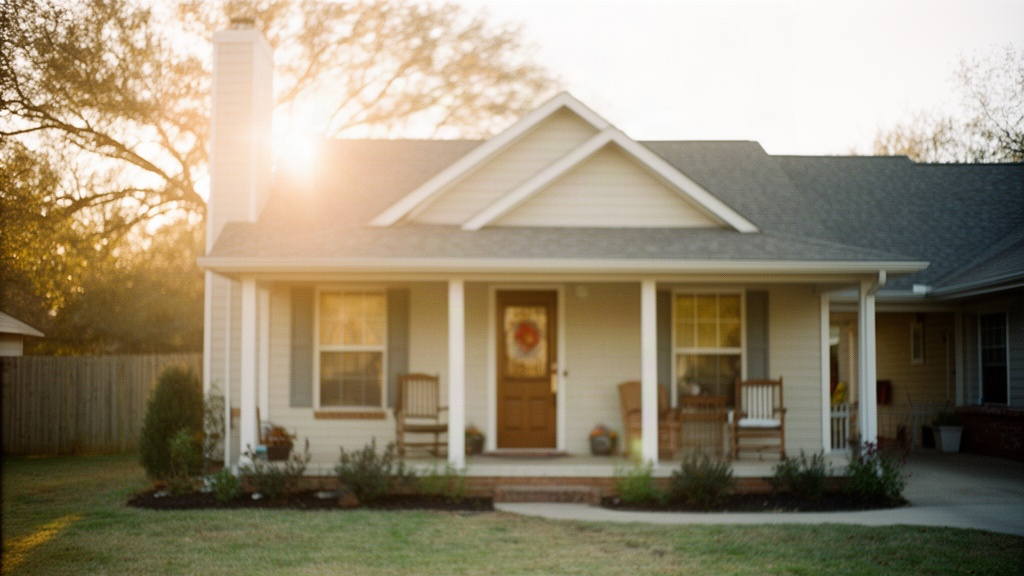
1. Where Each Corridor Sits in Oxford
Both corridors are inside the Oxford city limits, but they point in different directions from the Square and carry different street characters as a result.
The North Lamar Area at a Glance
North Lamar Boulevard runs north from the Oxford Square toward Highway 30 and beyond. The residential streets that feed off North Lamar, including portions of Jefferson Avenue, Jackson Avenue, and the older subdivisions tucked behind them, form what most locals and agents call the North Lamar area. This corridor has been part of Oxford's residential fabric for decades, and the housing along it reflects that history. The distance from the northern end of this corridor to the Square is roughly one to two miles depending on which street you are on, making it one of the closer-in residential options in the city.
North Lamar itself is a commercial and residential mixed corridor, so residential streets branch off the main road rather than sitting directly on it. Buyers who want to be close to the Square without being directly on a high-traffic commercial strip tend to target those side streets. The area also sits close to the University of Mississippi campus, which is roughly one mile west of the North Lamar corridor at its closest point.
The Sisk Avenue Corridor at a Glance
Sisk Avenue runs east of the Square and connects to a network of residential streets that developed primarily from the 1980s through the 2000s. The corridor extends toward the eastern side of Oxford, with subdivisions and cul-de-sac streets spreading out from it in both directions. The physical distance from the Sisk Avenue area to the Square ranges from about one and a half to three miles depending on how far east you go. The terrain here is slightly more rolling, and the street pattern is more suburban in character compared to the grid-influenced layout closer to the Square.
The Sisk Avenue corridor has grown steadily as Oxford's population expanded eastward, and it now includes a range of subdivision styles, from modest ranch-style neighborhoods to newer construction pockets. For a broader overview of how these areas fit into Oxford's overall residential map, the Oxford Mississippi Neighborhood Guide on this site covers the city's major corridors in detail.
2. Housing Stock and Architecture
The housing stock in each corridor tells the story of when Oxford grew into those areas and who was building at the time.
What Homes Look Like on North Lamar
The North Lamar area contains some of Oxford's older residential housing, including bungalows and cottage-style homes built from the 1940s through the 1970s. Many of these homes sit on smaller lots, typically between 6,000 and 10,000 square feet, with mature trees and established landscaping that you simply cannot replicate in a newer subdivision. Square footage in this corridor tends to run from about 1,100 to 2,400 square feet for the bulk of the inventory, though some larger homes on deeper lots exceed that range.
Renovation activity in the North Lamar area has been consistent over the past decade. Many homes have been updated with modern kitchens and baths while keeping original hardwood floors and character details like craftsman trim and covered front porches. You will also find some infill construction mixed in, where older structures were replaced with new builds that try to match the neighborhood's architectural scale. The variety means buyers should inspect carefully, because the condition range from home to home is wider here than in a newer subdivision where everything was built to a single standard.
What Homes Look Like Along Sisk Avenue
The Sisk Avenue corridor is dominated by suburban subdivision housing built primarily between 1985 and 2015, with some newer construction pockets added since then. You will find a lot of traditional ranch-style homes, split-level layouts, and two-story colonial-influenced designs that were popular during those decades. Lot sizes tend to be larger than in the North Lamar area, commonly running from 10,000 square feet to a quarter acre or more in the subdivisions farther east. Square footage ranges more broadly, from about 1,400 square feet in the smaller ranch homes to over 3,000 square feet in the larger two-story builds.
Because much of the Sisk Avenue corridor was built in a shorter time window, the architectural character is more consistent within individual subdivisions. Brick veneer exteriors are common. Garages are standard. Driveways are wider. The trade-off is that the mature tree canopy is thinner in newer sections, and the streetscapes have less of the established, leafy character you find closer to the Square. Homes here have generally had fewer owners and fewer layers of renovation, which can mean more predictable condition but also less of the original character that draws buyers to older Oxford neighborhoods.
3. Price Ranges and Market Conditions in September 2026
Understanding what the difference between living in the North Lamar area versus the Sisk Avenue corridor in Oxford, Mississippi means for your budget is one of the most practical questions to answer before you start touring.
North Lamar Area Pricing
As of September 2026, homes in the North Lamar corridor and its adjacent residential streets are generally priced between $280,000 and $520,000 for the core of the market. Renovated bungalows with updated systems and kitchens on the better streets have been trading closer to the upper end of that range. Unrenovated homes in need of work can still be found below $300,000, though those listings move quickly when priced correctly because the location premium is real. Per-square-foot pricing in this corridor currently runs roughly $195 to $240 for updated homes, reflecting the proximity to campus and the Square.
The North Lamar area has historically held its value well because the supply of close-in, walkable housing in Oxford is finite. New construction cannot replicate the location, so buyers competing for homes here are often willing to pay a premium for proximity. Days on market for well-priced listings in this corridor have been running on the shorter end of Oxford's overall averages this fall. For current days-on-market data across Oxford, the Oxford days on market guide on this site has the latest figures.
Sisk Avenue Corridor Pricing
Homes along the Sisk Avenue corridor currently list in a range from roughly $230,000 on the lower end for smaller ranch homes to $450,000 or more for larger two-story homes in the better-maintained subdivisions. The median price in this corridor sits a bit below the North Lamar area, largely because the lots are farther from the Square and the homes lack the walkability premium. Per-square-foot pricing runs approximately $165 to $210 for move-in-ready homes, which means buyers can often get more square footage for the same dollar amount compared to the North Lamar area.
The Sisk Avenue corridor also has more active inventory at any given time, which gives buyers more options and slightly more negotiating room. Sellers in this corridor who price accurately are still seeing reasonable market times in September 2026, but overpriced listings do sit longer here than they would closer to the Square. For a full picture of what drives Oxford's pricing dynamics, NeighborhoodScout's Oxford, MS real estate market data provides historical appreciation trends that put current prices in context.
4. Lot Sizes, Walkability, and Physical Character
The physical experience of living in each corridor differs in ways that photographs and floor plans do not fully capture.
Density and Lot Sizes
The North Lamar area is denser, with homes sitting closer together on smaller lots. Side yards are often narrow, and backyards are modest by suburban standards. What the lots lack in size they make up for in maturity: oaks and magnolias that have been growing for fifty or sixty years create a canopy that shades streets and yards in a way that newer areas simply do not have yet. If private outdoor space and a larger yard are priorities, the Sisk Avenue corridor generally delivers more of both.
The Sisk Avenue corridor's larger lots also mean more room for additions, detached garages, or outdoor living improvements. Many of the subdivision homes here were built with two-car garages and driveways wide enough for multiple vehicles, which is a practical consideration for households with several cars. The trade-off is that the suburban lot pattern means more lawn maintenance and a different visual character than the tighter, tree-lined streets of the North Lamar area.
Walkability and Street Character
The North Lamar area is one of the more walkable residential corridors in Oxford. From streets adjacent to North Lamar, it is possible to walk to the Oxford Square in ten to fifteen minutes. The Square offers a concentrated mix of restaurants, boutiques, the Oxford City Hall, and the Lafayette County Courthouse, all within a compact walkable core. Residents of the North Lamar area also have relatively easy walking or biking access to the University of Mississippi campus, which is a meaningful daily convenience for anyone connected to the university.
The Sisk Avenue corridor is a car-dependent area by comparison. The streets are wider, sidewalk coverage is less consistent, and the distance to the Square and campus means most residents drive for daily errands and dining. That said, the corridor has good access to the commercial development along Highway 7 South and the retail corridors near Walmart and the Oxford Commons area, which means everyday grocery and errand trips are straightforward by car. The physical character of the Sisk Avenue area reads as a conventional American suburb, which suits buyers who prefer that environment.
5. Commute Times, Proximity to Ole Miss, and Nearby Amenities
Oxford is a small city, so no part of town is truly far from anything, but the difference of a mile or two matters when you are making a daily trip.
Getting to Campus and the Square
From the North Lamar area, the drive to the center of the Ole Miss campus runs about three to five minutes depending on traffic and which entrance you use. The Oxford Square is similarly close, with most North Lamar area addresses sitting within a five-minute drive or a ten-to-fifteen-minute walk. On game days and during Ole Miss events, the proximity is a double-edged consideration: you are close to everything, but traffic on North Lamar and the surrounding streets can be heavy for several hours before and after kickoff.
From the Sisk Avenue corridor, the drive to the Ole Miss campus runs approximately eight to fourteen minutes depending on how far east along the corridor your home sits. The Oxford Square is about ten to fifteen minutes by car from the eastern end of the Sisk Avenue area. Game day traffic is less of a direct impact here because the main congestion points are closer to campus and the Square. Residents of the Sisk Avenue corridor generally experience Oxford's event traffic as a background inconvenience rather than something that directly affects their street.
Grocery, Dining, and Everyday Errands
The North Lamar area is close to the Square's dining and retail options, and a short drive from the Kroger on Jackson Avenue and the Walmart Supercenter on Highway 7. The area also has easy access to the Oxford Commons development, which includes additional dining and service businesses. For residents who prioritize being within walking or biking distance of Oxford's restaurant scene, the North Lamar corridor is one of the few residential areas in the city where that is genuinely practical.
The Sisk Avenue corridor has convenient access to the commercial strip along Highway 7 South, including grocery options, pharmacies, and fast-casual dining. The Walmart Supercenter and several chain restaurants are reachable in five to ten minutes by car. The Square's independent dining and retail scene is a longer drive, which means Sisk Avenue residents who want to enjoy Oxford's Square regularly are making a deliberate trip rather than a spontaneous walk. Oxford's overall cost of living context, including how housing costs in both corridors compare to other expenses, is covered in the Oxford MS cost of living guide on this site.
6. Investment Considerations and Rental Demand
Both corridors attract rental demand, but the nature of that demand differs in ways that matter to investors and owner-occupants alike.
The North Lamar area generates strong rental interest from Ole Miss graduate students, faculty, and staff who want to live close to campus without being in the densest student housing zones. The walkability premium translates directly into rental pricing: a renovated two-bedroom home in the North Lamar corridor can command meaningfully higher monthly rents than a comparable square footage home in the Sisk Avenue area. Vacancy rates in this corridor tend to be low because the supply of close-in rentals is limited and demand from the university community is consistent year over year.
The Sisk Avenue corridor attracts renters who prioritize space and parking over proximity to campus. Longer-term renters, including university staff, hospital employees from Baptist Memorial Hospital-North Mississippi, and local professionals, tend to gravitate toward the larger homes in this corridor. Rental yields in the Sisk Avenue area can be competitive on a per-dollar-invested basis because purchase prices are lower, even if gross rents are somewhat below the North Lamar area. Buyers considering either corridor for investment purposes will find more detail in the Oxford investment property guide on this site.
School zone assignments are a separate research step for buyers with children. Both corridors fall within the Oxford School District, but specific school assignments vary by street address. The Oxford City School District website is the authoritative source for current zone maps, and the school zones guide for Oxford neighborhoods on this site explains how to look up your specific address.
FAQ
What is the difference between living in the North Lamar area versus the Sisk Avenue corridor in Oxford, Mississippi in terms of home prices?
As of September 2026, the North Lamar area generally carries a higher per-square-foot price, currently running roughly $195 to $240 for updated homes, compared to approximately $165 to $210 in the Sisk Avenue corridor. The North Lamar premium reflects its proximity to the Oxford Square and the Ole Miss campus, both of which are within a short walk or drive. The Sisk Avenue corridor offers more square footage per dollar and larger lots, which makes it appealing to buyers who prioritize space over walkability. Both corridors are active markets in September 2026, though inventory levels and days on market differ. Working with a local agent who tracks both areas closely is the most reliable way to compare specific listings in real time.
Is the North Lamar area or the Sisk Avenue corridor closer to the University of Mississippi?
The North Lamar area is closer to the Ole Miss campus, sitting roughly one to two miles from the main university entrances and accessible in three to five minutes by car or ten to fifteen minutes on foot from the nearest residential streets. The Sisk Avenue corridor is farther east, and the drive to campus from that area runs approximately eight to fourteen minutes depending on your specific address. For anyone who commutes to the university daily, the North Lamar area offers a meaningful time and convenience advantage. The Sisk Avenue corridor still provides reasonable campus access by Oxford standards, but it requires a car for most trips.
Which corridor has newer homes, the North Lamar area or the Sisk Avenue corridor?
The Sisk Avenue corridor has newer housing stock overall, with the bulk of its inventory built between 1985 and 2015. You will find more brick veneer subdivision homes, two-car garages, and larger floor plans in that area. The North Lamar area contains a higher proportion of older homes, many built from the 1940s through the 1970s, which means more character details like hardwood floors and craftsman trim but also more variability in condition and systems. Some infill construction exists in the North Lamar area, but the dominant character is older housing. Buyers who prefer newer mechanicals and more predictable construction should look carefully at both corridors and get thorough inspections regardless of which area they choose.